
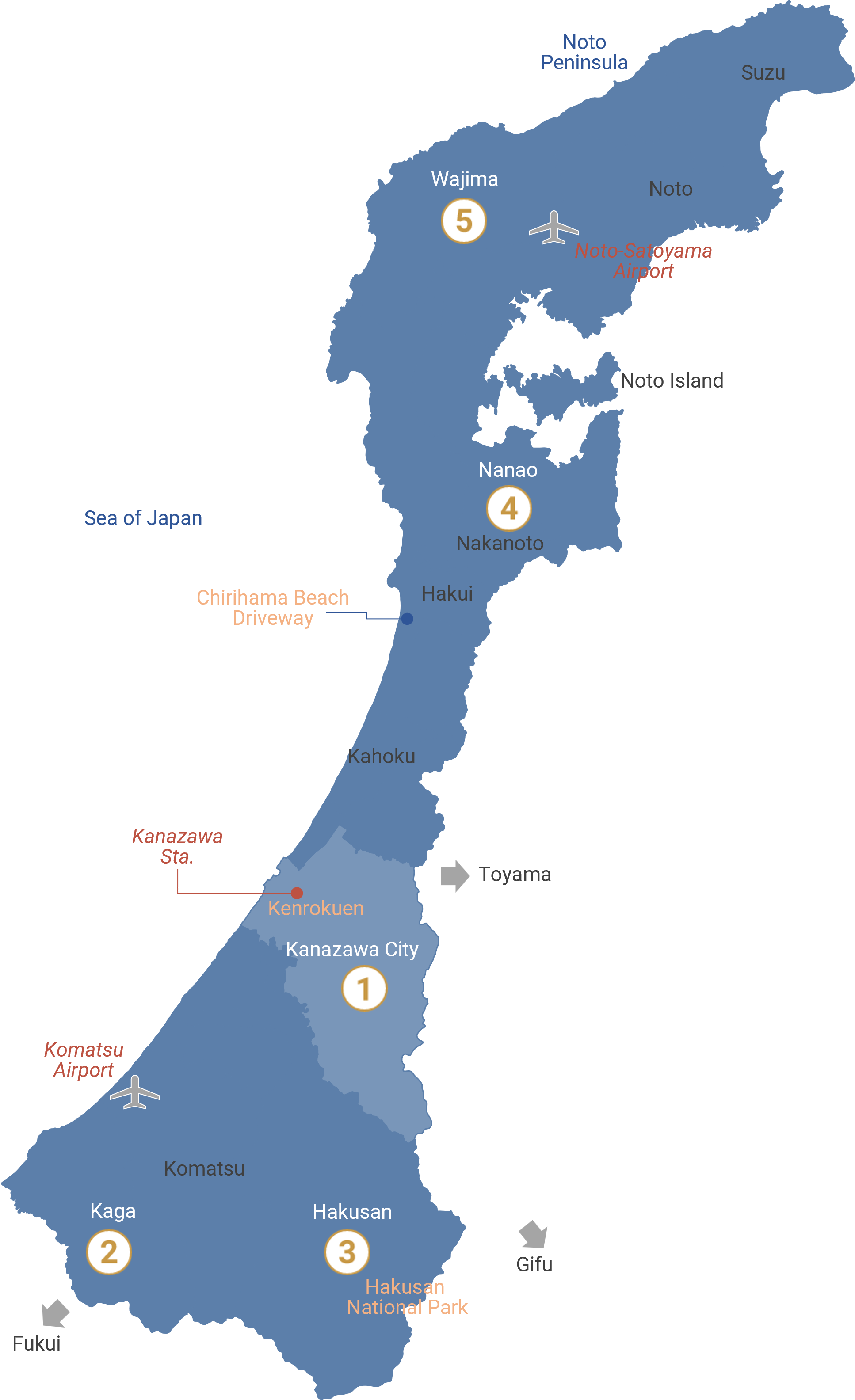
Kanazawa is a compact castle town shaped by more than four centuries of samurai culture, traditional crafts, and refined foodways. Around Kanazawa Castle and Kenrokuen, preserved teahouse and samurai districts sit alongside major contemporary art and craft museums
Video by Kanazawa City Tourism Association, © Kanazawa City Tourism Association.
Kaga is centered on hot-spring travel, with Yamashiro, Yamanaka, Katayamazu, and Awazu forming the Kaga Onsen area. The city also preserves Kutani porcelain heritage and river, coast, and gorge scenery that make it rewarding beyond an overnight bath stay
Video by Kaga City, © Kaga City.
Hakusan stretches from coast and river plain to deep mountain country beneath Mt. Hakusan, one of Japan’s sacred peaks. The city is known for shrine traditions, geopark landscapes, outdoor activities, and mountain settlements that still retain distinctive local customs
Video by Hakusan City, © Hakusan City.
Nanao is one of the principal urban centers of the Noto Peninsula, facing Nanao Bay and associated with Wakura Onsen, major float festivals, and medieval castle history. It works well as a cultural base for exploring the southern Noto area
Video by NANAO & NAKANOTO DMO, © NANAO & NAKANOTO DMO.
Wajima is one of the cultural centers of the Noto Peninsula, shaped by lacquerware production, fishing traditions, and dramatic coastal scenery. It is closely associated with Wajima-nuri lacquerware, the Kiriko festival culture of Noto, Shiroyone Senmaida, and long-established Zen heritage at Sojiji Soin
Video by Wajima City, © Wajima City.
Kanazawa Castle Park preserves the political heart of the former Kaga domain, with large grounds, reconstructed gates, turrets, and storehouses. Together with neighboring Kenrokuen, it explains how the Maeda family shaped the city’s urban form and cultural patronage
Video by Ishikawa Prefecture, © Ishikawa Prefecture.
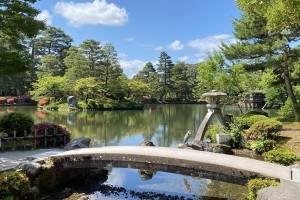
Kenrokuen is one of Japan’s most celebrated landscape gardens, laid out on a broad hillside beside Kanazawa Castle. Its name refers to six ideal qualities of a garden, and its ponds, teahouses, seasonal plantings, and carefully framed views reward slow, repeated visits
Photo by Ishikawa Prefecture, © Ishikawa Prefecture.
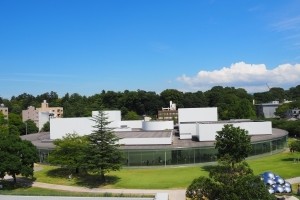
This contemporary art museum is one of Kanazawa’s defining modern landmarks, set in a circular glass building designed to open naturally toward the city around it. Alongside changing exhibitions, it is known for commissioned installations integrated into the architecture, including Leandro Erlich’s The Swimming Pool
Photo by Kanazawa City, © Kanazawa City.
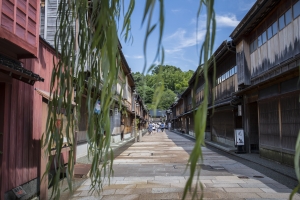
Higashi Chaya District is Kanazawa’s largest preserved teahouse quarter, established when the city’s geisha houses were consolidated in the early nineteenth century. Its wooden facades, lattice fronts, and craft shops still convey the atmosphere of an entertainment district tied to refined urban culture
Photo by Kanazawa City, © Kanazawa City.
Kaga Yuzen is Kanazawa’s signature hand-dyed silk craft, distinguished by refined realism, nature-based motifs, and the five traditional Kaga colors. Unlike the more ornate Kyoto style, it favors subtle elegance, delicate shading, and painterly detail that reflect the aesthetic culture of the former Kaga domain
Video by Kanazawa City Tourism Association, © Kanazawa City Tourism Association.
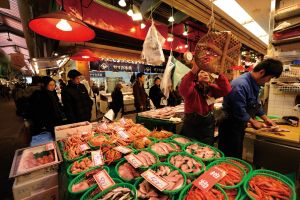
Omicho Market is Kanazawa’s long-established public market, with more than 170 shops spread through narrow covered lanes in the city center. Known as Kanazawa’s kitchen, it is the best place to encounter the city’s food culture through fresh seafood, local produce, and casual market dining
Photo by Ishikawa Prefectural Tourism League, © Ishikawa Prefectural Tourism League.
This museum introduces the history and stylistic range of Kutani ware in the region where the tradition began. Masterworks, decorative architectural details, and supporting facilities such as the garden and museum shop make it a strong entry point to Ishikawa’s porcelain culture
Video by Kutaniyaki Art Museum, © Kutaniyaki Art Museum.
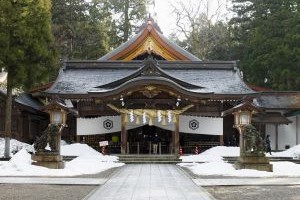
Shirayama Hime Shrine is one of Ishikawa’s most important sacred sites and the head shrine of the Hakusan shrine network. Closely tied to worship of Mt. Hakusan, it anchors the spiritual geography of the prefecture’s southern mountain region
Photo by Ishikawa Prefectural Tourism League, © Ishikawa Prefectural Tourism League.
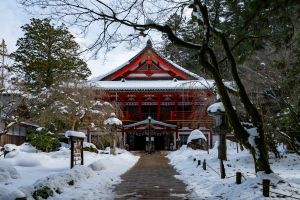
Natadera is a temple where worship, architecture, and the natural landform are closely intertwined. Founded in 717 CE and set among wooded hills and rock formations, it is especially notable for buildings integrated into caves and for precincts designated as scenic and cultural properties
Photo by Ishikawa Prefectural Tourism League, © Ishikawa Prefectural Tourism League.
Yamanaka Onsen is a long-established hot spring town in the mountains of Kaga, distinguished by the forested Kakusenkei Gorge and a quieter, more intimate townscape than many larger resort areas. It is also closely associated with Yamanaka lacquerware, public bath culture centered on Kiku no Yu, and local performing arts such as Yamanaka-bushi and geisha dance
Video by Yamanaka Onsen Tourism Association, © Yamanaka Onsen Tourism Association.
Yamashiro Onsen is a long-established hot spring town in Kaga, centered on a public bath culture that still shapes the townscape today. It is especially known for Soyu and the Meiji-style Kosoyu bathhouse, and for a walkable onsen district where ryokan, temples, and craft culture remain closely connected.
Video by Yamashiro Onsen Tourism Board, © Yamashiro Onsen Tourism Board.
Katayamazu Onsen is a lakeside hot spring town on the shore of Lake Shibayama, known for wide water views and distant vistas toward Mt. Hakusan. It is especially distinguished by its modern public bathhouse, waterside promenade, and a resort atmosphere that feels more open and expansive than the other Kaga onsen towns
Video by Katayamazu Hot Springs Tourism Association, © Katayamazu Hot Springs Tourism Association.
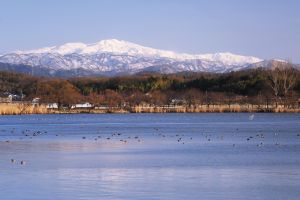
Rising to 2,702 meters, Mt. Hakusan is one of Japan’s three sacred mountains and the core of a wide national park landscape. Alpine flowers, volcanic terrain, mountain huts, and long-established pilgrimage routes give it both ecological and spiritual depth
Photo by Ishikawa Prefectural Tourism League, © Ishikawa Prefectural Tourism League.
While many countries preserve diverse regional cuisines, Japan also offers its unique culinary journey. This video highlights select dishes, showcasing distinct local specialties and historical influences in the region
Video by Ministry of Agriculture, Forestry and Fisheries, © Ministry of Agriculture, Forestry and Fisheries.
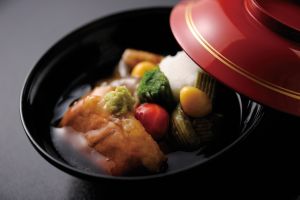
Jibuni is one of Ishikawa’s signature dishes, usually made by simmering duck with wheat gluten and seasonal vegetables in a thickened broth. Its texture, restrained seasoning, and elegant presentation place it firmly within the vocabulary of Kaga cuisine
Photo by Ishikawa Prefectural Tourism League, © Ishikawa Prefectural Tourism League.
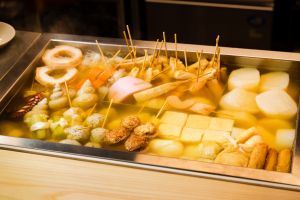
Kanazawa oden is built on a clear, gently sweet dashi that draws depth from kombu, bonito, and local soy sauce. Unlike in many places, it is eaten year-round in Kanazawa and often features seafood and region-specific ingredients
Photo by Ishikawa Prefectural Tourism League, © Ishikawa Prefectural Tourism League.
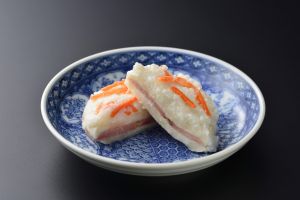
Kabura-zushi is a fermented winter delicacy made by sandwiching salted yellowtail between pickled turnip and allowing it to mature with malted rice. More akin to nare-zushi than everyday sushi, it remains one of Ishikawa’s most distinctive New Year foods
Photo by Ishikawa Prefectural Tourism League, © Ishikawa Prefectural Tourism League.
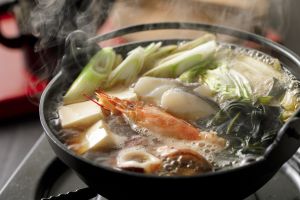
Ishiru nabe is a hotpot seasoned with the fish sauce called ishiru, a fermentation tradition rooted in the Noto region. The seasoning gives the broth a deep marine savor and connects the dish directly to the peninsula’s long-established preservation methods
Photo by Ishikawa Prefectural Tourism League, © Ishikawa Prefectural Tourism League.

JR West issues the ICOCA card, a rechargeable smart card for transportation and shopping, akin to Suica. It facilitates easy fare payment on trains, buses, and at stores nationwide. However, it's region-specific and cannot be used for inter-JR region travel, except for special Shinkansen deals via Express Reservations
This sightseeing train between Kanazawa and Wakura Onsen is decorated with motifs inspired by Ishikawa crafts such as Wajima lacquerware and Kaga Yuzen. It suits travelers who want a more atmospheric approach to the Noto side of the prefecture than a standard rail journey
Video by West Japan Railway Company, © West Japan Railway Company.
This pass covers unlimited rides on key buses in central Kanazawa and also brings admission discounts at many major sightseeing facilities. It is one of the simplest ways to move efficiently between the station, markets, museums, gardens, and historic districts
This two-day passport lets visitors enter multiple cultural facilities in central Kanazawa and also receive perks at participating shops and restaurants. It is especially useful for travelers focusing on museums, gardens, and the wider Kenrokuen cultural zone
CANBUS links Kaga Onsen Station with the area’s major sightseeing routes, including hot-spring towns and cultural stops. Ticket options and bundled strolling benefits make it practical for travelers exploring Kaga without a car
Ishikawa Prefecture is shaped by the rich legacy of Kaga and more than 1,300 years of hot spring history. From the historic atmosphere of Kanazawa, Kenrokuen Garden, and the Higashi Chaya District to the long-loved hot spring towns of Kaga, it offers travelers a graceful blend of traditional crafts, including gold leaf, seasonal seafood, and natural beauty. Following the major earthquake of January 1, 2024, some areas of the Noto Peninsula remain affected, so visitors are kindly advised to check the latest local travel information and access conditions in advance.
Video by Ishikawa Prefectural Tourism League, © Ishikawa Prefectural Tourism League.
