
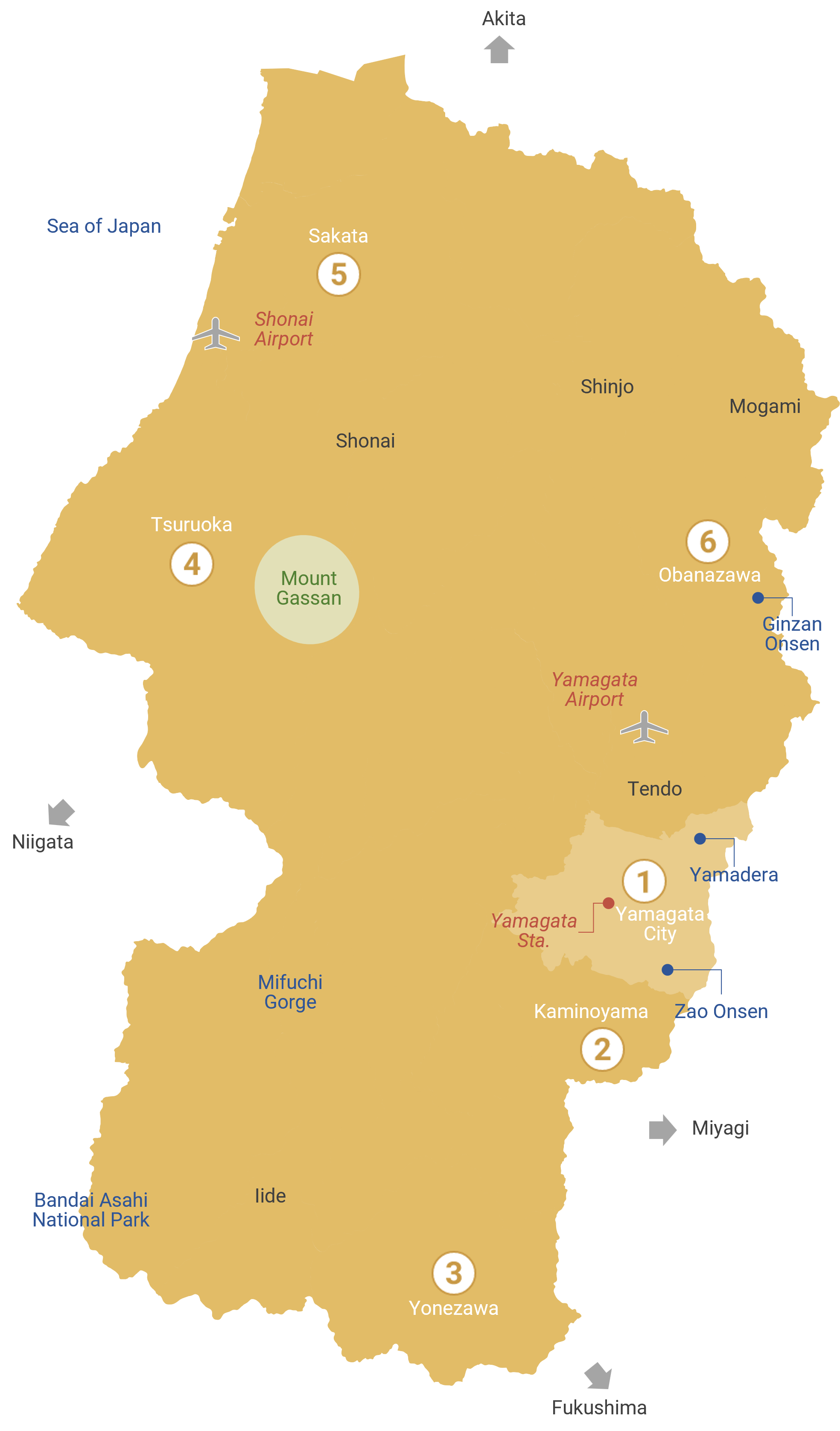
The prefectural capital is a practical base for visiting Yamadera, Zao, and the former Yamagata Castle site at Kajo Park. Its urban center is framed by mountains and balances transport convenience with access to major historic and seasonal sights
Video by Yamagata City, © Yamagata City.
At the foot of the Zao range, Kaminoyama developed as both a castle town and a hot spring town, and it still preserves a walkable historic character. It also works well as a transport hub for the Zao area and southern Murayama
Video by Kaminoyama City, © Kaminoyama City.
Yonezawa is a former castle town of the Uesugi clan with a strong samurai legacy, museum culture, and easy access to hot springs in the surrounding mountains. It is also one of the prefecture’s key destinations for Yonezawa beef
Video by Yonezawa City, © Yonezawa City.
Tsuruoka brings together the Dewa Sanzan pilgrimage landscape, castle-town heritage, and the Shonai coast. It is also internationally noted for food culture, with heirloom crops, mountain vegetables, and seafood shaping distinctive local travel experiences
Video by DEGAM Tsuruoka Tourism Bureau, © DEGAM Tsuruoka Tourism Bureau.
Sakata is a historic port on the Sea of Japan where merchant culture, rice shipping history, and coastal scenery remain central to the city’s identity. Visitors can pair waterfront views with museums, old warehouses, and former merchant residences
Video by Satata City, © Satata City.
Obanazawa is best known for the nostalgic streetscape of Ginzan Onsen, where traditional inns line the river in a compact mountain setting. In summer, the city is also associated with premium Obanazawa watermelons
Video by Yamagata Convention Bureau, © Yamagata Convention Bureau.
The former castle grounds now form a large urban park with moats, reconstructed gates, museums, and broad cherry blossom areas. It is both a nationally designated historic site and one of the city’s principal seasonal gathering places
Video by Yamagata City, © Yamagata City.
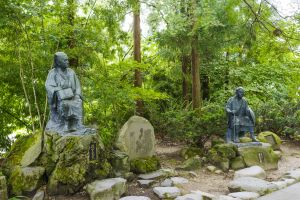
Commonly known as Yamadera, Risshaku-ji is a mountain temple complex set on a steep forested slope northeast of central Yamagata. Its long stone stairway, dramatic rocky setting, and association with Matsuo Basho make it one of the prefecture’s most distinctive historic and spiritual landmarks
Photo by Yamagata Prefecture, © Yamagata Prefecture.
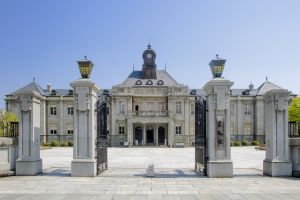
Built in 1916 as Yamagata Prefecture’s former office and assembly building, Bunshokan is an elegant brick landmark in the English neo-Renaissance style. Now open to the public as a National Important Cultural Property, it preserves the atmosphere of the Taisho era through its restored interiors and grand public rooms
Photo by Yamagata Prefecture, © Yamagata Prefecture.
Rebuilt in 1982 in Tsukioka Park, 290 years after the original castle was demolished in 1692, this local history museum introduces Kaminoyama through exhibits and audio-visual displays. From the castle tower, visitors can look out over the old samurai district, the hot spring town, and the Zao mountain range
Video by Kaminoyama City, © Kaminoyama City.
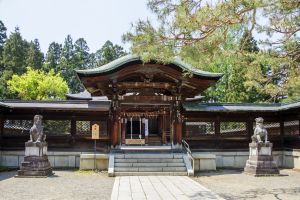
Standing on the former Yonezawa Castle grounds, this shrine enshrines Uesugi Kenshin and anchors the city’s samurai identity. It remains a focal point for both everyday visits and the major Uesugi Festival held each spring
Photo by Yamagata Prefecture, © Yamagata Prefecture.
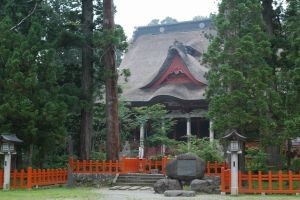
Dewa Sanzan, the three sacred mountains of Mt. Haguro, Mt. Gassan, and Mt. Yudono, form one of Yamagata’s most important pilgrimage traditions. At the summit of Mt. Haguro, the great Sanjin Gosaiden enshrines the deities of all three mountains in a striking thatched shrine hall surrounded by cedar forest
Photo by Yamagata Prefecture, © Yamagata Prefecture.
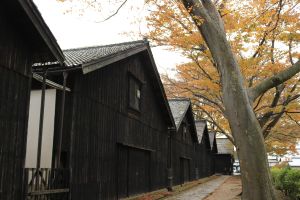
This historic row of rice storehouses preserves the atmosphere of Sakata’s prosperous shipping era. Black wooden walls, keyaki trees, and the surviving warehouse complex make it one of the city’s defining merchant-era landscapes
Photo by Yamagata Prefecture, © Yamagata Prefecture.
Founded in 1947 by the Honma family, prominent merchants of Sakata, this museum brings together Japanese and East Asian art, the nationally designated scenic garden Kakubuen, and the refined Seienkaku villa. It is one of the city’s clearest expressions of merchant culture, garden design, and the history of the Kitamaebune port
Video by Sakata City, © Sakata City.
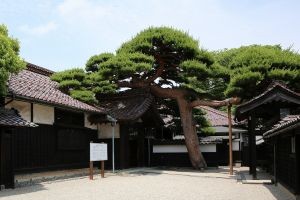
Set within Tsuruoka’s former castle district, Chido Museum preserves the regional history of the Shonai domain through historic relocated buildings and collections. The blue former Tsuruoka Police Station is one of its best-known landmarks
Photo by Yamagata Prefecture, © Yamagata Prefecture.
Dedicated to Sakata-born photographer Ken Domon, this was the first museum of photography in Japan. It offers a strong cultural counterpoint to Sakata’s merchant heritage and gives the city an important place in modern Japanese visual culture
Video by Sakata City, © Sakata City.
One of Japan’s best-known rivers in poetry, the Mogami is tied to Basho’s journey through the region and remains a major scenic symbol of Yamagata. Boat trips reveal broad valleys, rapids, and changing seasonal views in the Mogami area
Video by Yamagata Prefecture, © Yamagata Prefecture.
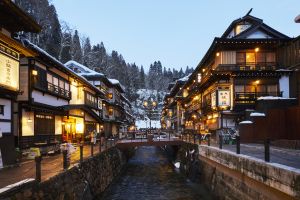
Set in a narrow mountain valley along the Ginzan River, Ginzan Onsen combines forested slopes, flowing water, and heavy winter snow with a streetscape of traditional wooden inns. Named after a former silver mine, it is especially atmospheric in the evening when the gas lamps are lit
Photo by Yamagata Prefecture, © Yamagata Prefecture.
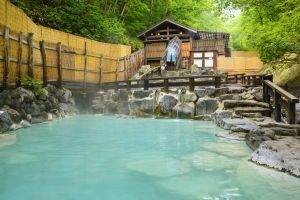
At the western foot of Mt. Zao, Zao Onsen combines abundant strongly acidic sulfur springs with a mountain setting that changes strikingly through the seasons. It is especially well known for winter snow monsters on the surrounding slopes, while the hot spring town itself is lined with inns, steam, and easy access to alpine scenery
Photo by Yamagata Prefecture, © Yamagata Prefecture.
For a limited spring period, snowmelt raises the water level of Lake Shirakawa and creates the striking sight of young willow trees seeming to rise directly from the water. Early morning is especially atmospheric, and canoeing is one of the best ways to experience this brief seasonal landscape
Video by Iide Town Tourism Association, © Iide Town Tourism Association.
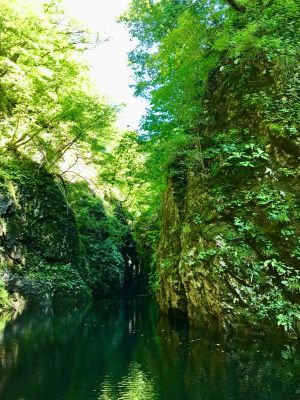
Hidden upstream of Lake Hyakushu near Nagai Dam, Mifuchi Gorge is a narrow ravine where cliffs more than 50 meters high rise above calm water. Reached only by boat or canoe, it offers one of Yamagata’s most atmospheric and secluded natural landscapes
Photo by Yamagata Prefecture, © Yamagata Prefecture.
While many countries preserve diverse regional cuisines, Japan also offers its unique culinary journey. This video highlights select dishes, showcasing distinct local specialties and historical influences in the region
Video by Ministry of Agriculture, Forestry and Fisheries, © Ministry of Agriculture, Forestry and Fisheries.
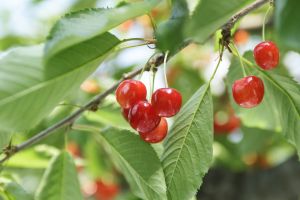
Cherries are Yamagata’s signature fruit and the produce most closely associated with the prefecture’s identity as Japan’s “fruit kingdom.” Varieties such as Sato Nishiki are especially prized, and cherry-picking season generally runs from early June to mid-July, with timing varying by variety and orchard
Photo by Yamagata Prefecture, © Yamagata Prefecture.
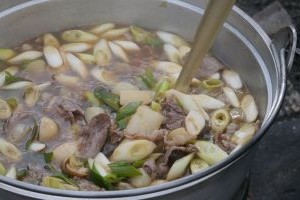
This hearty taro stew is a defining autumn dish in Yamagata and appears in different local styles across the prefecture. Inland versions commonly use soy sauce and beef, while other areas vary the broth and meat, making it both familiar and regional
Photo by Yamagata Prefecture, © Yamagata Prefecture.
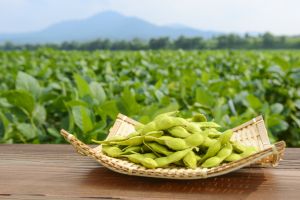
These famous Tsuruoka-grown edamame are known for their rich sweetness and deep flavor. They are most closely associated with late summer and are one of the clearest examples of how a local crop shapes travel in the Shonai area
Photo by Yamagata Prefecture, © Yamagata Prefecture.
Raised in the Okitama area, Yonezawa beef is prized for fine marbling, sweet fat, and a notably soft texture. In Yonezawa it can be enjoyed in formal meals such as steak and sukiyaki as well as more casual local dishes
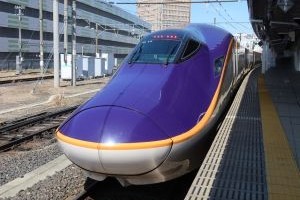
The Yamagata Shinkansen provides direct rail access from Tokyo to Yamagata and Shinjo, making key inland destinations in the prefecture easy to reach without changing to local lines. It is a major travel convenience and can be paired with JR East passes or Shinkansen e-ticket services for smoother reservations

JR EAST, a division of the Japan Railways Group, serves the Tohoku and Kanto regions, as well as parts of Chubu region. Suica, its popular rechargeable smart card, facilitates transportation and cashless payments nationwide. However, it's region-specific and cannot be used for inter-JR region travel, except for special Shinkansen deals via Express Reservations

JR EAST offers various ticket deals and passes catering to different travel needs in eastern Japan. Find your best from the above link
Nexco East, one of Japan's three expressway management companies, offers international car renters unlimited access to the Japan Expressway network for a flat fee, covering most sections, with some exclusions
The prefecture’s official matching system connects visitors with licensed guide-interpreters who cover Yamagata’s history, culture, and geography. It is especially useful for temple, pilgrimage, or rural itineraries that benefit from explanation in English
Yamagata may lack the obvious glamour of Japan’s larger sightseeing cities, but it offers remarkable range, from sacred mountains and temple walks to hot springs, orchards, winter scenery, and the Sea of Japan coast. Above all, it is a place where food defines the journey, with exceptional fruit, mountain vegetables, Yonezawa beef, sake, and the rich culinary culture of Shonai shaping a travel experience that feels both grounded and distinctive.
Video by Yamagata Prefecture Tourism and Products Association, © Yamagata Prefecture Tourism and Products Association.
