
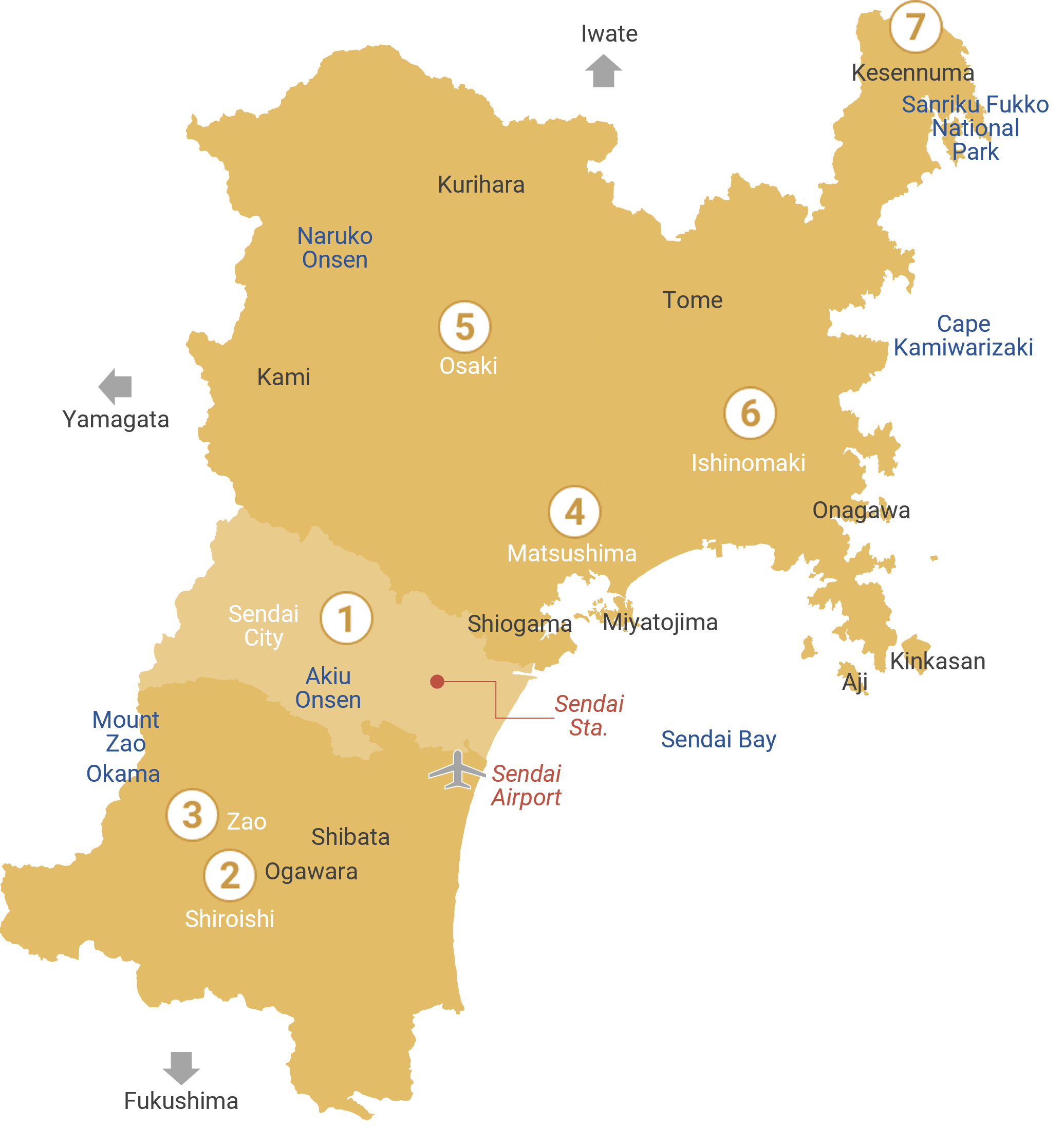
Sendai is Tohoku’s largest city and Miyagi’s principal gateway, combining rail access, downtown shopping and dining, Jozenji-dori, Kokubuncho nightlife, Aoba Castle Site, and Zuihoden. Akiu and Sakunami on the outskirts add hot springs, waterfalls, and distillery visits
Video by Sendai City, © Sendai City.
Shiroishi is a castle town in southern Miyagi, shaped by the Katakura clan’s connection to the former Sendai Domain. Shiroishi Castle, samurai residences, Yajiro kokeshi craft culture, and local Shiroishi U-men noodles give the city a compact but distinctive historical character.
Video by Shiroishi City Tourism Association, © Shiroishi City Tourism Association.
Zao is Miyagi’s mountain gateway to Mt. Zao and the Okama crater lake, with seasonal drives, hiking, and volcanic scenery. Winter road closures and weather conditions make advance route checks important for travelers
Video by Zao Town, © Zao Town.
Matsushima centers on a bay of pine-covered islands, celebrated as one of Nihon Sankei, Japan’s Three Scenic Views. Shoreline walks, cruise routes, Zuiganji, and Entsuin give the town a cultural depth closely tied to the Date family and the maritime landscape
Video by Matsushima Town, © Matsushima Town.
Osaki offers northern Miyagi’s hot-spring and gorge landscapes, especially around Naruko Onsen and Naruko Gorge. The area combines ryokan stays, forested ravines, seasonal foliage, and access to rural inland scenery
Video by Osaki City, © Osaki City.
Ishinomaki serves as a Sanriku Coast base for island trips to Tashirojima and Kinkasan, with fishing-port culture and riverfront history. The Kawabiraki Festival links the city’s Kitakami River heritage with memorial rites, parades, and fireworks
Video by Ishinomaki City, © Ishinomaki City.
Kesennuma is a major fishing city on the Sanriku Coast, with a large port, fish-market activity, and dramatic shoreline scenery. Seafood, coastal walking routes, and places such as Cape Iwaisaki make it a practical base for northern Miyagi
Video by Kesennuma Tourism & Convention Bureau, © Kesennuma Tourism & Convention Bureau.
Zuihoden is the mausoleum of Date Masamune, founder of the Sendai Domain, and includes reconstructed mausoleums for later Date lords. Its museum displays excavated artifacts connected to the Date family and the site’s restoration
Video by Zuihoden, © Zuihoden.
Zuihoden is the mausoleum of Date Masamune, founder of the Sendai Domain, and includes reconstructed mausoleums for later Date lords. Its museum displays excavated artifacts connected to the Date family and the site’s restoration
Video by Osaki Hachimangu Shrine, © Osaki Hachimangu Shrine.
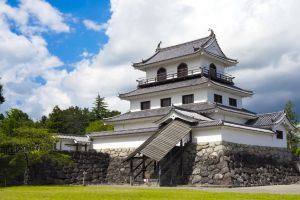
Shiroishi Castle stands in the center of Shiroishi and is associated with the Katakura clan, retainers of the Date family. The reconstructed keep and grounds help explain the military geography of southern Miyagi
Zuiganji is Matsushima’s principal Zen temple, rebuilt in 1609 under Date Masamune as a family temple. Cedar approaches, carved caves, and elaborately crafted halls connect the temple precinct to both military patronage and coastal scenery
Video by Zuiganji Temple, © Zuiganji Temple.
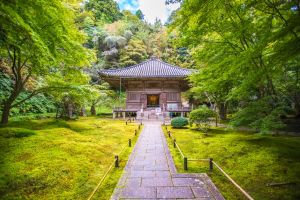
Entsuin was founded in 1647 to honor Date Mitsumune, the grandson of Date Masamune. Its gardens, mausoleum architecture, and quiet setting beside Zuiganji make it one of Matsushima’s most atmospheric cultural sites
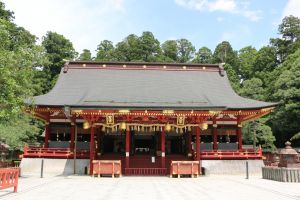
Shiogama-Jinja stands on a hill overlooking Matsushima Bay and is closely associated with salt-making traditions and maritime protection. Okama-Jinja nearby preserves a salt-related ritual held each July
Hitome Senbon Zakura follows the Shiroishi River with more than 1,000 cherry trees planted from the early twentieth century. In spring, the blossoms frame views toward Mt. Zao and create a long riverside walking route
Video by Council for Collaborative Tourism Promotion of Shiroishi River Embankment Hitome Senbon Zakura, © Council for Collaborative Tourism Promotion of Shiroishi River Embankment Hitome Senbon Zakura.
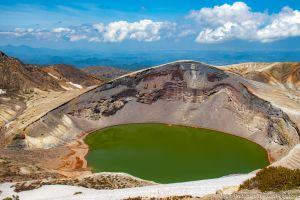
Mt. Zao is an active volcanic range straddling Miyagi and Yamagata, with Okama crater lake near the summit as its signature feature. Access depends on mountain roads, weather, and volcanic advisories, especially outside the main green season
Photo by Miyagi Prefecture Tourism Fedration, © Miyagi Prefecture Tourism Fedration.
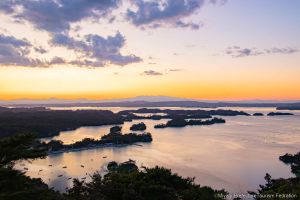
Matsushima Bay is scattered with around 260 pine-covered islands, creating a layered seascape viewed from shore paths, temples, boats, and nearby viewpoints. The bay’s cultural sites and calm waters make it one of Miyagi’s defining landscapes
Photo by Miyagi Prefecture Tourism Fedration, © Miyagi Prefecture Tourism Fedration.
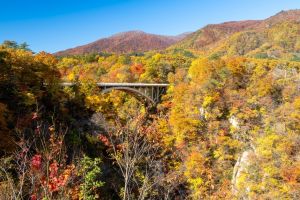
Naruko Gorge was carved by the Oya River, forming steep cliffs that reach around 100 meters in height. The gorge is especially visited for autumn foliage and pairs naturally with stays in the Naruko Onsen area
Sanriku Fukko National Park extends along the Pacific coast from Aomori and Iwate into northern Miyagi, including the Kesennuma area. Its Miyagi section offers rias coastline scenery, fishing-port culture, island views, and access to the Michinoku Coastal Trail
Video by Ministry of the Environment, © Ministry of the Environment.
While many countries preserve diverse regional cuisines, Japan also offers its unique culinary journey. This video highlights select dishes, showcasing distinct local specialties and historical influences in the region
Video by Ministry of Agriculture, Forestry and Fisheries, © Ministry of Agriculture, Forestry and Fisheries.
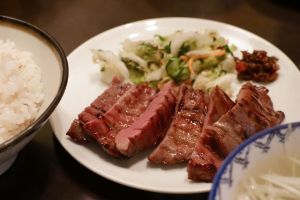
Gyutan, grilled beef tongue, is closely associated with Sendai’s postwar dining culture and remains a signature city dish. Restaurants commonly serve it with rice, soup, and pickles, making it a practical meal for visitors near major stations and shopping areas
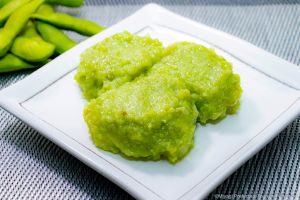
Zunda mochi pairs soft rice cakes with a sweet green soybean paste. The dish reflects Miyagi’s soybean and rice culture and appears in both traditional settings and modern desserts around Sendai and beyond
Photo by Miyagi Prefecture Tourism Fedration, © Miyagi Prefecture Tourism Fedration.
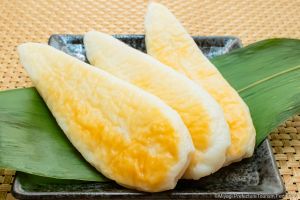
Sasa kamaboko is a bamboo-leaf-shaped fish cake made from minced white fish. It developed from Miyagi’s coastal seafood culture and is widely sold as a snack, souvenir, or grilled tasting item
Photo by Miyagi Prefecture Tourism Fedration, © Miyagi Prefecture Tourism Fedration.
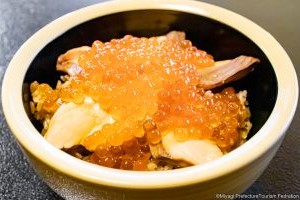
Harako-meshi is a rice dish associated with the Watari area, prepared with salmon-flavored rice and topped with salmon and ikura. It is a seasonal expression of Miyagi’s river, rice, and coastal food traditions
Photo by Miyagi Prefecture Tourism Fedration, © Miyagi Prefecture Tourism Fedration.
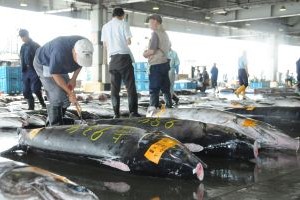
Kesennuma Fish Market gives travelers a direct view of Miyagi’s Sanriku seafood culture, with early-morning landings, auctions, and an observation deck overlooking the market floor. Nearby seafood restaurants and shops make it a natural place to connect the working port with local dining
Photo by Kesennuma Tourism & Convention Bureau, © Kesennuma Tourism & Convention Bureau.
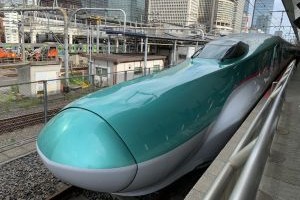
The Tohoku Shinkansen provides direct rail access from Tokyo to Sendai and onward to Shin-Aomori, making Sendai especially easy to reach without changing to local lines. It is a major travel convenience for Miyagi and can be paired with JR East passes or Shinkansen e-ticket services for smoother reservations

JR EAST, a division of the Japan Railways Group, serves the Tohoku and Kanto regions, as well as parts of Chubu region. Suica, its popular rechargeable smart card, facilitates transportation and cashless payments nationwide. However, it's region-specific and cannot be used for inter-JR region travel, except for special Shinkansen deals via Express Reservations
JR EAST offers various ticket deals and passes catering to different travel needs in eastern Japan. Find your best from the above link
Nexco East, one of Japan's three expressway management companies, offers international car renters unlimited access to the Japan Expressway network for a flat fee, covering most sections, with some exclusions
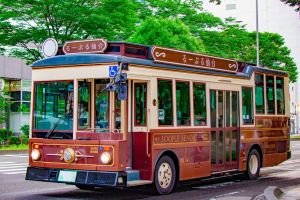
Loople Sendai is a loop bus linking major sightseeing spots in central Sendai, including Date-family heritage sites, museums, and shopping areas. The one-day pass allows unlimited hop-on, hop-off rides and includes special offers at selected facilities along the route
Miyagi offers an accessible introduction to Tohoku. As a million-plus city and the region’s largest urban and economic center, Sendai brings together rail links, food streets, seasonal festivals, and historic sites tied to Date Masamune and the former Sendai Domain. At the same time, Miyagi is still less developed as an international tourism destination than its scale might suggest, making it rewarding for travelers who enjoy places that feel more open to discovery: Matsushima Bay, Akiu and Naruko hot springs, Zao’s mountain roads, riverside cherry blossoms, and the Sanriku fishing ports of Ishinomaki and Kesennuma.
Video by Miyagi Prefecture, © Miyagi Prefecture.
