
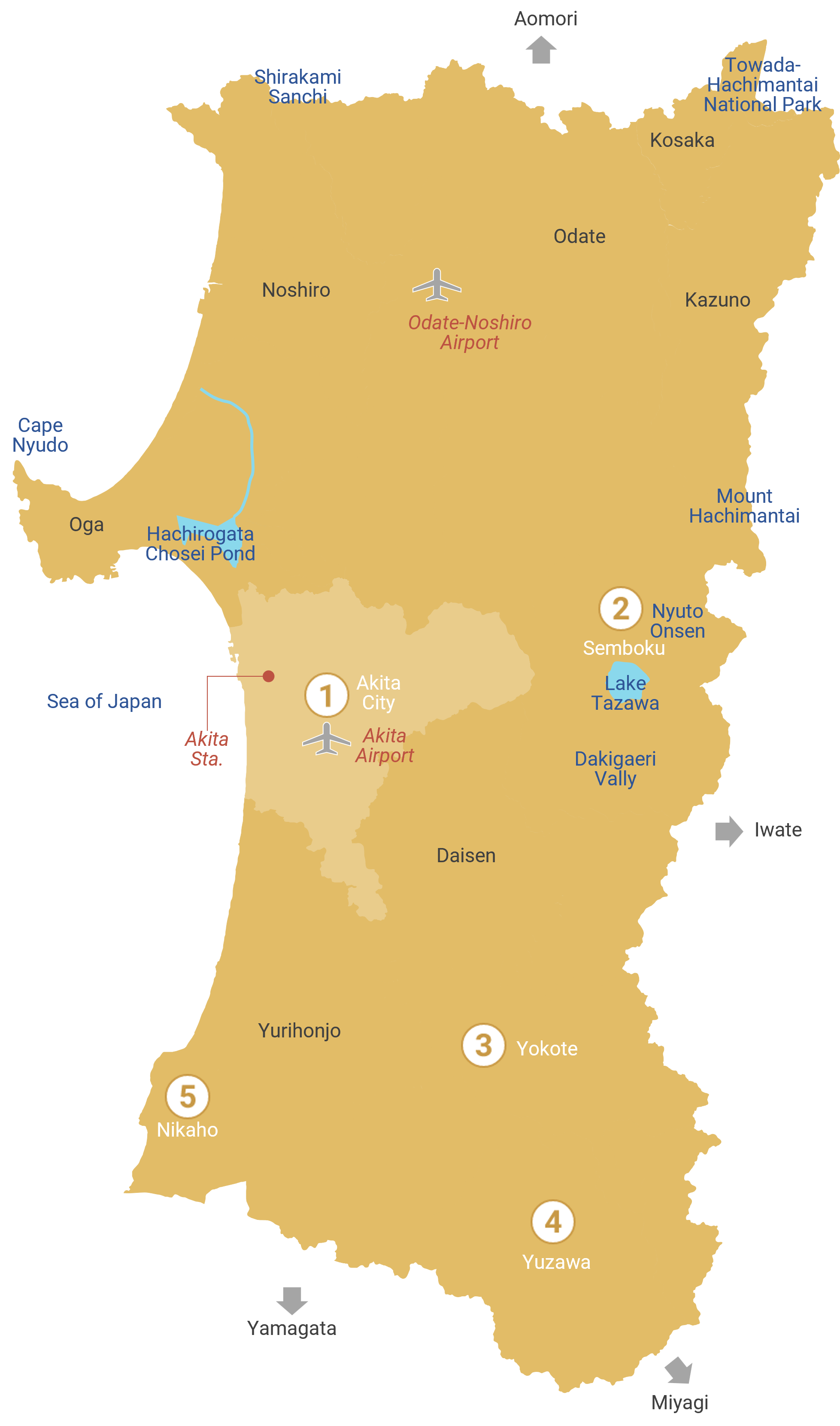
Akita is the prefecture’s central gateway, with Akita Station, Senshu Park, Akita Museum of Art, the Gururu downtown loop bus, and the Akita Kanto Festival concentrated around the city center
Video by Akita City, © Akita City.
Semboku brings together Lake Tazawa, Kakunodate’s samurai residences, Nyuto Onsenkyo, and mountain landscapes around Tazawako and Hachimantai. It is one of Akita’s most useful bases for combining history, hot springs, and seasonal scenery
Video by Semboku City, © Semboku City.
Yokote is a snowy inland city associated with the 450-year-old Kamakura snow-hut tradition, Masuda’s merchant storehouses, and Yokote Yakisoba. Its winter festival and historic Masuda district give travelers a strong sense of southern Akita’s town culture
Video by Yokote City, © Yokote City.
Yuzawa sits in southern Akita and is useful for travelers heading to Oyasukyo Gorge, Oyasukyo Daifunto, and Inaniwa udon country. Gorge walks, hot-spring steam, and noodle traditions shape the area’s travel character
Video by Yuzawa City, © Yuzawa City.
Nikaho spreads between Mt. Chokai and the Sea of Japan, with geopark landscapes, coastal views, and visitor information based at Nikaho City Tourism Center Nikahotto. It is Akita’s southern coastal gateway toward Chokai scenery
Video by Nikaho City, © Nikaho City.
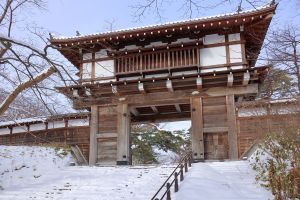
Senshu Park preserves the remains of Kubota Castle, built by the Satake clan after their move from Hitachi. A short walk from Akita Station, the park combines castle traces with cherry blossoms, autumn leaves, and central-city strolling
Photo by Akita Prefectural Tourism Federation, © Akita Prefectural Tourism Federation.
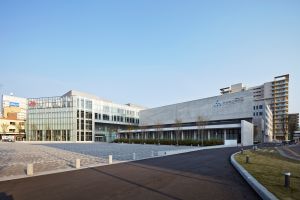
Akita Museum of Art is a modern cultural landmark near Area Nakaichi, established to present works including Tsuguharu Foujita pieces from the Masakichi Hirano Art Foundation collection. The building gives central Akita a compact art stop close to the station area
Photo by Akita Prefectural Tourism Federation, © Akita Prefectural Tourism Federation.
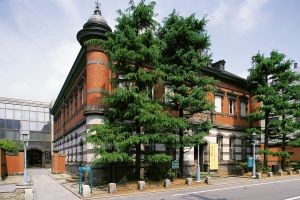
This red-brick museum occupies a historic former bank building in central Akita. Its exhibits and annexes connect local folklore, art, and the city’s early modern commercial architecture
Photo by Akita Prefectural Tourism Federation, © Akita Prefectural Tourism Federation.
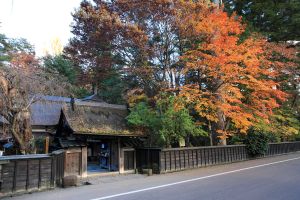
Kakunodate’s samurai district preserves residences and traditional architecture from a former castle town. Black-walled estates, weeping cherry trees, kimono rental, and rickshaw rides make the district one of Akita’s clearest Edo-period townscapes
Photo by Akita Prefectural Tourism Federation, © Akita Prefectural Tourism Federation.
The Namahage Museum introduces the Oga Peninsula’s visiting-deity tradition through masks, video, costume displays, and nearby demonstrations at Oga Mayama Folklore Museum. Its collection includes masks once used in village rituals across Oga
Video by Oga City, © Oga City.
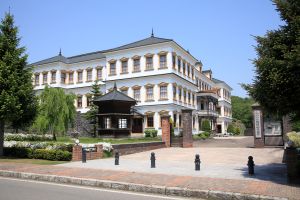
Kosaka Mine Office was built in 1905 as the administrative center of Kosaka Mine and later designated an Important Cultural Property. Its Renaissance-style exterior and restored interiors reflect the town’s modern mining history
Photo by Akita Prefectural Tourism Federation, © Akita Prefectural Tourism Federation.
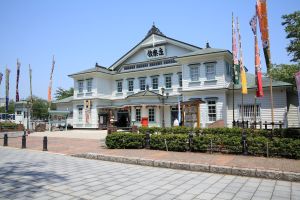
Korakukan was built in 1910 as a welfare facility for Kosaka Mine and remains a rare wooden theater with a Western-style exterior and Japanese-style interior. Visitors can see performances or tour the historic stage building
Photo by Akita Prefectural Tourism Federation, © Akita Prefectural Tourism Federation.
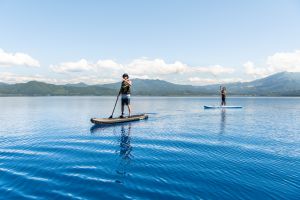
Lake Tazawa is Japan’s deepest lake at 423.4 meters, with blue water surrounded by mountain forests. The lakeshore changes with cherry blossoms, autumn foliage, and winter snow, and the golden Tatsuko statue is a familiar lakeside landmark
Photo by Akita Prefectural Tourism Federation, © Akita Prefectural Tourism Federation.
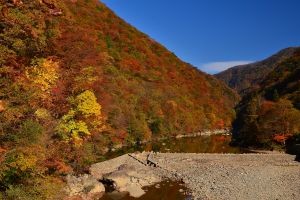
Dakigaeri Valley follows a blue mountain stream between Lake Tazawa and Kakunodate, with forests, waterfalls, and cliffside scenery. Fresh greenery and autumn foliage are the main seasonal draws for walks through the gorge
Photo by Akita Prefectural Tourism Federation, © Akita Prefectural Tourism Federation.
Nyuto Onsenkyo is a secluded hot-spring village at the foot of Mt. Nyuto, surrounded by beech forest in Towada-Hachimantai National Park. Its seven hot-spring inns each draw from different sources, creating a mountain onsen experience closely tied to Akita’s natural landscape
Video by Glocal Promotion, © Glocal Promotion.
Akita’s side of Shirakami Sanchi is centered on Fujisato, a gateway to the UNESCO World Natural Heritage beech forests that stretch across Akita and Aomori. The Shirakami-Sanchi World Heritage Conservation Center Fujisatokan helps visitors understand the area’s ecosystem before exploring nearby forest routes
Photo by Shirakami Sanchi Visitor Center, © Shirakami Sanchi Visitor Center.
Akita’s side of Towada-Hachimantai National Park includes mountain scenery around Akita-Komagatake, Hachimantai, and Nyuto Onsenkyo. The area combines volcanic landscapes, beech forests, alpine plants, autumn colors, snow scenery, and hot-spring culture in one of northern Tohoku’s major national park settings
Photo by Ministry of the Environment, © Ministry of the Environment.
While many countries preserve diverse regional cuisines, Japan also offers its unique culinary journey. This video highlights select dishes, showcasing distinct local specialties and historical influences in the region
Video by Ministry of Agriculture, Forestry and Fisheries, © Ministry of Agriculture, Forestry and Fisheries.
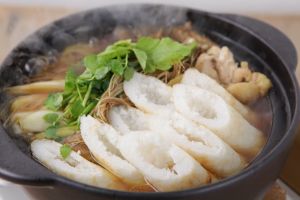
Kiritanpo nabe uses pounded rice shaped around cedar skewers, grilled, then simmered in chicken broth with vegetables. The dish is especially associated with the Odate and Kazuno regions and autumn-to-winter dining
Photo by Akita Prefectural Tourism Federation, © Akita Prefectural Tourism Federation.
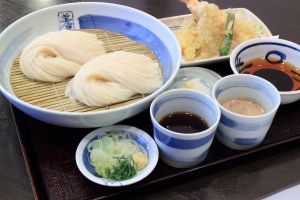
Inaniwa udon comes from Inaniwa in Yuzawa and is made by kneading, pounding, and stretching dough into smooth, slender noodles. It is served throughout Akita in both simple chilled preparations and warm broths
Photo by Akita Prefectural Tourism Federation, © Akita Prefectural Tourism Federation.
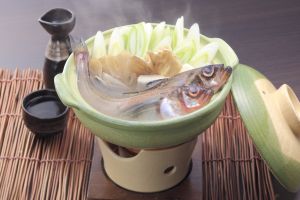
Shottsuru nabe is a hot pot seasoned with shottsuru, Akita’s traditional fermented fish sauce, and commonly features hatahata, or Japanese sandfish. Its flavor reflects Akita’s winter seafood and preservation culture
Photo by Akita Prefectural Tourism Federation, © Akita Prefectural Tourism Federation.
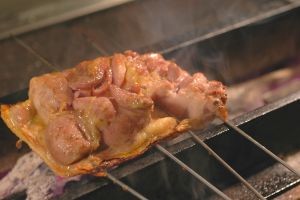
Hinai jidori is a free-range local chicken with rich flavor, used in kiritanpo nabe, yakitori, shabu-shabu, steak-style grilling, and other dishes. It is one of Akita’s key ingredients for visitors seeking regional cuisine
Photo by Akita Prefectural Tourism Federation, © Akita Prefectural Tourism Federation.
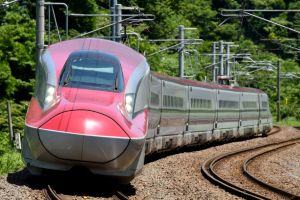
The Akita Shinkansen operates as the “Komachi” train, providing direct rail access from Tokyo to Akita with stops including Tazawako, Kakunodate, and Omagari. It is a major travel convenience for Akita and can be paired with JR East passes or JR East online reservation services for smoother planning

JR EAST, a division of the Japan Railways Group, serves the Tohoku and Kanto regions, as well as parts of Chubu region. Suica, its popular rechargeable smart card, facilitates transportation and cashless payments nationwide. However, it's region-specific and cannot be used for inter-JR region travel, except for special Shinkansen deals via Express Reservations

JR EAST offers various ticket deals and passes catering to different travel needs in eastern Japan. Find your best from the above link
Nexco East, one of Japan's three expressway management companies, offers international car renters unlimited access to the Japan Expressway network for a flat fee, covering most sections, with some exclusions
Akita is where the name “Komachi” moves between legend and journey. In Yuzawa, it recalls Ono no Komachi, the Heian-period poet associated with beauty and literary talent; on the Akita Shinkansen, “Komachi” is the train that carries travelers into a prefecture of Shirakami beech forests, Lake Tazawa, Japan’s deepest lake, Kakunodate’s samurai streets, and Nyuto Onsenkyo’s milky mountain baths.
Video by Akita Prefecture, © Akita Prefecture.
